

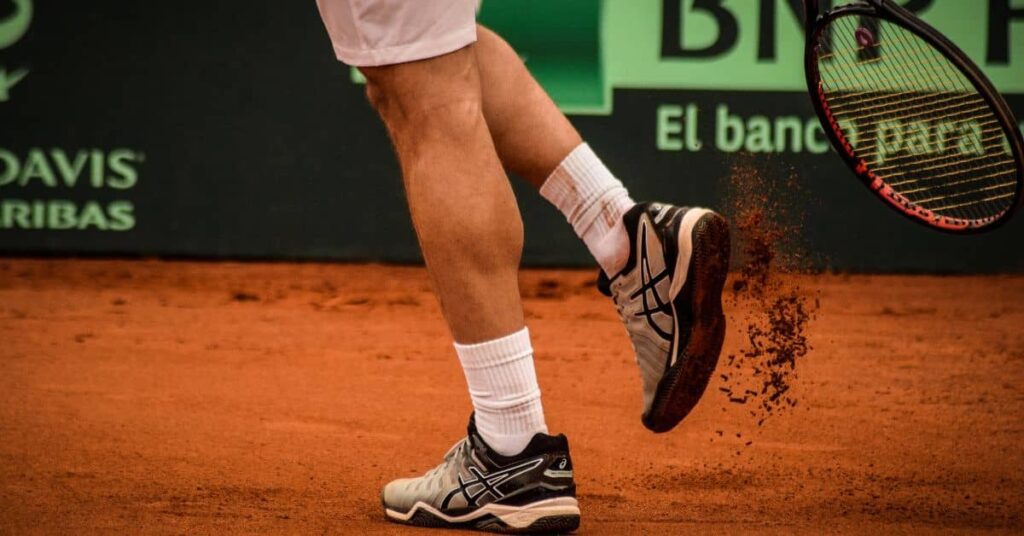
Tennis is a fast-paced game that demands quick movements, sudden stops, and constant changes in direction. Your tennis shoes are more than just footwear — they’re your foundation on the court. Wearing the wrong shoes can lead to discomfort, poor performance, or even injury.
Here’s a complete guide to help you choose the perfect tennis shoes for your style, surface, and game.
1. Know the Court Surface
Different courts require different types of shoes:
- Hard Court Shoes: Durable soles, good cushioning, and lateral support. These are the most common and versatile.
- Clay Court Shoes: Herringbone patterns for better grip and easy sliding. Prevent clay from getting stuck in the sole.
- Grass Court Shoes: Softer, nubby soles to prevent slipping on the slick surface.
Choosing shoes designed for your main playing surface helps you move efficiently and safely.
2. Consider Your Playing Style
Your style of play affects the type of shoe you need:
- Aggressive Movers: Players who sprint and change direction often need shoes with excellent lateral support.
- Baseline Players: Need good cushioning and stability to handle long rallies.
- Serve-and-Volley Players: Benefit from shoes with strong traction and court feel for quick forward movements.
3. Cushioning Matters
Tennis involves a lot of impact — especially on hard courts. Look for shoes with:
- Responsive cushioning to absorb shock
- Heel padding to prevent soreness
- Midsole support to keep your feet comfortable during long matches
Cushioning helps protect your knees, ankles, and feet over time.
4. Lateral Support Is Key
Tennis requires quick side-to-side movements. Shoes with strong lateral support prevent rolling your ankle and improve agility. Avoid running shoes — they are designed for forward motion, not side-to-side stability.
5. Shoe Fit and Comfort
A well-fitting shoe is non-negotiable. Keep in mind:
- Toe space: Enough room to wiggle your toes, but not so loose that your foot slides
- Snug heel: Prevents blisters and foot movement inside the shoe
- Proper width: Some brands offer narrow, standard, and wide options
Always try shoes on later in the day when your feet are slightly swollen for a realistic fit.
6. Durability
Tennis shoes wear out faster than regular sneakers due to constant friction and pivoting. Look for:
- Reinforced toe caps
- Durable outsoles (especially for hard courts)
- High-quality stitching and materials
Replacing shoes every 6–12 months (depending on usage) keeps performance and safety intact.
7. Weight of the Shoe
Lightweight shoes offer speed and agility, while slightly heavier shoes often provide more stability. Choose based on your comfort and playing style.
8. Breathability
Your feet will sweat during intense matches. Shoes with breathable mesh panels or ventilation prevent overheating and reduce the risk of blisters and odour.
9. Try Before You Buy
Every foot is different. Even two shoes of the same size can feel very different depending on the brand and shape. Walk, pivot, and jump in-store before buying.
10. Style vs. Function
While it’s tempting to pick the flashiest shoes, function always comes first. Focus on comfort, support, and court-specific features. Style is a bonus, not a priority.
Final Thoughts
The right tennis shoes improve your game, keep you safe from injuries, and let you move confidently on the court. Don’t underestimate their impact — your feet are the foundation of every great shot! 🎾